
Onboarding Matters: How Rochester Employers Can Help New Employees Feel Confident, Connected, and Set Up to Succeed
Guest post from Greater Rochester Chamber member TES Staffing
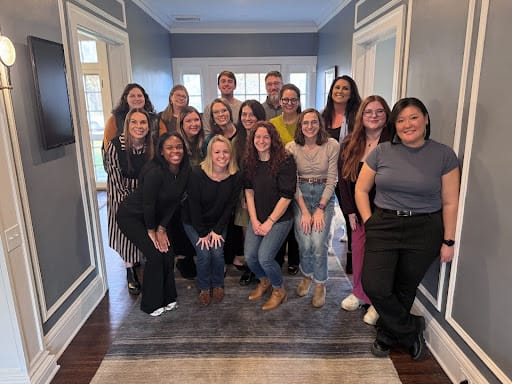 Bringing on a new employee is one of the most meaningful investments a workplace makes. Whether it’s a medical office, a manufacturing floor, a school environment, or a professional services team, adding someone new changes the rhythm of the day. It shifts dynamics, redistributes responsibilities, and opens the door to new momentum and possibilities. And yet, once the offer is accepted and the paperwork is completed, many workplaces stop short of one of the most important steps: onboarding with intention.
On paper, onboarding looks simple — a brief orientation, a few introductions, maybe access to software or workstations. But the truth is, onboarding isn’t just about tasks or checklists. It’s about giving a person the information, support, and confidence they need to take ownership of their new role. It’s about helping them understand not only what to do, but how your workplace communicates, collaborates, and approaches challenges. That’s culture. And culture doesn't get covered in a packet.
In the Greater Rochester area, where many organizations operate in team-centered environments, onboarding is especially important. People here care deeply about showing up for each other. A workplace can feel like a second family, a community, or a network of support. But that sense of belonging doesn’t happen automatically for someone new. It must be invited, shaped, and nurtured — especially in the first few weeks.
This is also the time when new hires are the most vulnerable. They want to do well, but they don’t yet know the shortcuts, the rhythms, or the unspoken norms. They’re still learning names, processes, expectations, and personalities. If they don’t feel comfortable asking questions or admitting uncertainty, they end up guessing. Guessing leads to mistakes. Mistakes lead to self-doubt. And self-doubt can lead to turnover before the person ever had a fair chance.
A thoughtful onboarding process is not about perfection. It’s about presence.
It says: “We’re glad you’re here. You’re not expected to know everything. You’re allowed to learn.”
Those messages build confidence. And confidence is what makes a new employee stay.
Onboarding also affects the team the new person is joining. If communication is unclear or expectations are vague, the existing staff ends up bearing the responsibility of training on the fly. Work slows down. Frustration builds. The team feels the strain. But when onboarding is planned — even lightly — it distributes the adjustment in a way that feels manageable and supported.
Many Rochester employers are finding success with something as simple as a consistent first-week rhythm. It could be daily check-ins. A shared lunch. A walk-through of how the department communicates. The chance to shadow someone for a bit. The goal isn’t to overwhelm with information — it’s to let the new employee feel like they belong.
This is especially true in temp-to-hire situations. When someone is stepping into a workplace for the first time, they’re not just learning the role — they’re also assessing whether the environment feels right for them. Onboarding isn’t just a sign of organizational preparedness; it’s a sign of respect. It communicates: “You matter here” long before a long-term commitment is even discussed.
And when that sense of belonging is in place, something powerful happens. People take ownership. They show initiative. They ask questions sooner instead of holding them in. They build relationships. They start to feel like they are part of something — not just filling a position, but contributing to a workplace they care about.
The opposite is also true. When onboarding is rushed or unclear, people often leave sooner than expected. And it’s usually not because the job was too hard. It’s because the job never became theirs. They never got the grounding to feel confident. And without confidence, work becomes stressful instead of meaningful.
So what does intentional onboarding look like in everyday practice? It looks like slowing down just enough to welcome someone in. It looks like checking in rather than checking up. It looks like answering the questions that feel “too small to ask.” It looks like introducing people by name — not title. It looks like recognizing that new beginnings are exciting, but also vulnerable.
And this is where a staffing partner can help. When TES Staffing places someone in a role, we don’t step away. We stay connected — not only to the employee, but to the employer as well. We check in to make sure the transition feels healthy. We encourage communication before frustration. We support the relationship on both sides. Because hiring is not the finish line — it’s the starting point.
When onboarding is approached with intention, workplaces feel different. They feel steadier. They feel kinder. They feel like places where people can stay and grow. And in a region like Rochester, where relationships and reputation matter, that stability is worth protecting.
Welcoming someone new to your team is an investment — one that deserves time, attention, and care. When we create spaces where people feel understood, guided, and supported from day one, we build teams that are not only capable, but connected. And connected teams are the ones that last.